

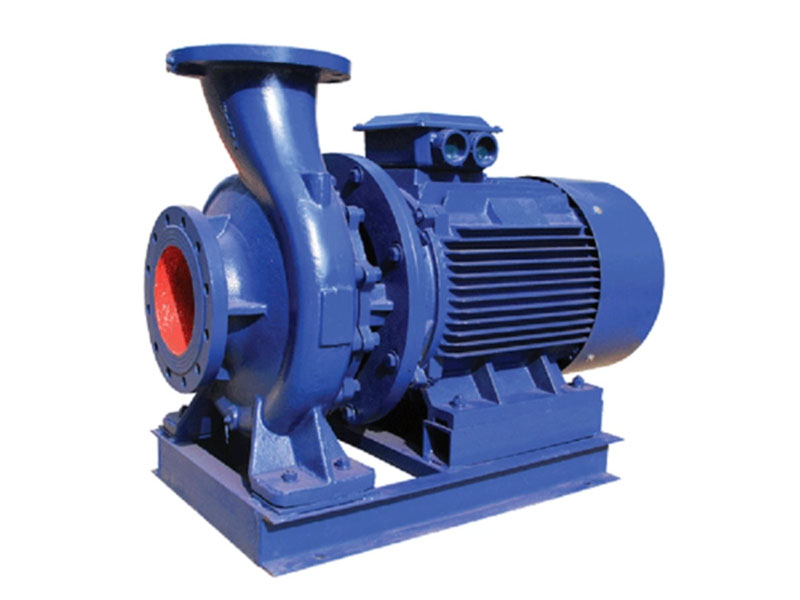
Why Stainless Steel Is the Preferred Material for Screw Pump Manufacturing
Screw pumps are critical in industries ranging from chemical processing to food production, thanks to their ability to handle viscous, abrasive, or shear-sensitive fluids with consistent flow. Stainless steel has become the material of choice for their construction due to a combination of functional properties that address the unique demands of screw pump applications:
1. Corrosion Resistance
Stainless steel contains at least 10.5% chromium, which forms a thin, self-healing passive oxide layer on its surface. This layer protects against corrosion from aggressive substances like acids, alkalis, saltwater, and chemical solutions—essential for pumps used in marine, wastewater treatment, or chemical manufacturing. Unlike carbon steel, it does not rust or degrade when exposed to these fluids, significantly extending the pump’s service life.
2. Mechanical Strength & Durability
Screw pumps operate under high pressures and continuous rotational stress. Stainless steel offers exceptional tensile strength, impact resistance, and wear resistance, enabling it to withstand the mechanical loads of pump operation without deformation or cracking. This durability reduces the risk of component failure (e.g., warped screws or damaged housings) and minimizes unplanned downtime.
3. Hygienic Compliance
For food, beverage, pharmaceutical, and Cosmetic Industries, sanitary conditions are non-negotiable. Stainless steel is non-porous, so it does not harbor bacteria, mold, or contaminants. It is easily cleaned and sterilized via steam, chemical agents, or high temperatures, aligning with strict regulatory standards (e.g., FDA, EU 1935/2004) for food contact and medical applications.
4. Wide Temperature Tolerance
Stainless steel performs reliably across extreme temperatures—from cryogenic conditions (e.g., handling liquefied gases) to high heat (e.g., hot oils or steam). It retains its structural integrity and strength in these environments, making it suitable for pumps used in heating, cooling, or industrial processes with fluctuating temperatures.
5. Fluid Compatibility
Screw pumps handle diverse fluids, including viscous slurries, sterile solutions, and aggressive chemicals. Stainless steel is inert to most of these substances, preventing chemical reactions that could contaminate the fluid or degrade pump components. This compatibility ensures the pump maintains performance and fluid purity over time.
6. Low Maintenance & Cost-Effectiveness
Due to its corrosion resistance and durability, Stainless Steel Screw Pumps require less frequent maintenance (e.g., replacing rusted parts or repairing corrosion damage). This reduces operational costs and downtime, making it a cost-effective choice in the long term.
7. Surface Finish & Inspectability
Stainless steel’s smooth, polished surface is easy to inspect for cleanliness or damage, which is critical in industries where hygiene and quality control are priorities. It also resists staining, maintaining a professional appearance in visible processing lines.
These properties make stainless steel the ideal material for screw pumps, balancing performance, reliability, and compliance across a wide range of industrial applications.

Copyright ? Jiangsu Longjie Pump Manufacturing Co., Ltd.



 Phone
Phone
Comment
(0)